

D2C Ecommerce SEO Strategies That Scale | Soocommerce
Direct-to-consumer (D2C) brands face unique challenges when competing online. D2C ecommerce SEO is critical to attract customers, increase conversions, and build sustainable growth without relying solely on paid ads.


Introduction
Direct-to-consumer (D2C) brands face unique challenges when competing online. D2C ecommerce SEO is critical to attract customers, increase conversions, and build sustainable growth without relying solely on paid ads.
This guide provides actionable strategies, step-by-step approaches, and examples from Soocommerce’s experience helping D2C brands scale their online presence effectively.
What is D2C Ecommerce SEO?
Full form explained
D2C ecommerce SEO combines Direct-to-Consumer business models with Electronic Commerce Search Engine Optimization. The goal is to improve visibility for online stores selling directly to consumers.
Benefits of D2C SEO
- Directly attracts high-intent customers
- Reduces reliance on third-party marketplaces
- Enhances brand authority and trust
- Supports scalability and long-term growth
Core D2C Ecommerce SEO Strategies
1. Comprehensive Keyword Research
- Identify high-intent keywords for seo for ecommerce product pages
- Use long-tail and niche-specific terms for targeted traffic
- Monitor trends with AI ecommerce SEO tools for predictive insights
2. Optimized Product and Category Pages
- Unique titles, meta descriptions, and image ALT text
- Structured data for rich snippets
- Internal linking between products and categories
3. Technical SEO
- Fast page loading and mobile-first design
- Fix crawl errors, broken links, and duplicate content
- Implement HTTPS and XML sitemaps
4. Content Marketing for D2C Brands
- Educational blogs, guides, and product tutorials
- Customer stories and case studies
- Video content to engage audiences
5. Link Building and Brand Authority
- Collaborate with influencers and industry blogs
- Earn backlinks through PR campaigns
- Engage with community content and partnerships
AI-Powered Strategies to Scale
Applications
- Automated keyword suggestions and clustering
- AI-generated meta descriptions and product copy
- Predictive analytics for content gaps and SEO opportunities
Benefits
- Saves time and effort for large product catalogs
- Enhances targeting for niche D2C products
- Improves ROI with data-driven insights
Common Mistakes to Avoid in D2C SEO
- Ignoring mobile optimization and site speed
- Duplicate or thin product content
- Over-reliance on paid ads instead of organic SEO
- Poor internal linking and category structure
- Neglecting analytics and iterative improvements
D2C SEO Checklist for Scaling
- Conduct keyword research focused on buyer intent
- Optimize product and category pages for SEO
- Implement technical SEO improvements
- Develop a content marketing strategy (blogs, videos, guides)
- Build backlinks and online authority
- Track performance metrics and adjust strategy
- Integrate AI tools for efficiency and predictive insights
Comparison: Traditional Ecommerce vs D2C SEO
| Feature | Traditional Ecommerce | D2C Ecommerce SEO |
|---|---|---|
| Audience Targeting | Broad, marketplace-dependent | Direct, high-intent customers |
| Control | Limited brand control | Full brand and UX control |
| Marketing | Paid ads-heavy | SEO and organic-driven growth |
| Scalability | Dependent on platforms | Flexible and scalable |
D2C Pros: Full control over brand, higher margins, scalable SEO
D2C Cons: Requires strategic investment in content, SEO, and UX
Recommended Platforms for D2C SEO
- Shopify (great for D2C with SEO apps)
- WooCommerce (customizable for SEO scaling)
- Magento (robust for large catalogs and SEO automation)
FAQ
1. What is D2C ecommerce SEO?
It’s optimizing direct-to-consumer online stores to improve search visibility, attract buyers, and increase conversions.
2. How is D2C SEO different from traditional ecommerce SEO?
D2C focuses on direct buyers, brand authority, and organic growth rather than relying heavily on marketplaces or paid ads.
3. Can AI help D2C SEO?
Yes, AI tools assist with keyword research, content optimization, and technical audits, improving efficiency for scaling stores.
4. How long does it take to see results from D2C SEO?
Typically 3–6 months for measurable traffic growth, depending on niche competition and strategy execution.
5. Which platforms work best for D2C SEO?
Shopify, WooCommerce, and Magento provide strong SEO capabilities suitable for scaling D2C stores.
6. What common mistakes should D2C brands avoid?
Duplicate content, slow site speed, neglecting mobile optimization, and ignoring analytics and iterative improvements.
Share this post:
Related Posts
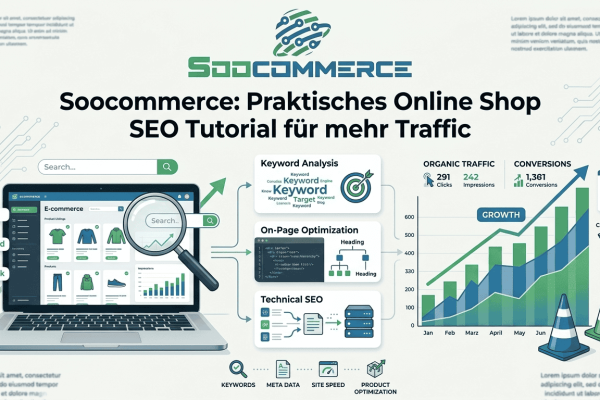
Die Sichtbarkeit eines Onlineshops in Suchmaschinen ist entscheidend für Traffic und Umsatz. Dieses...
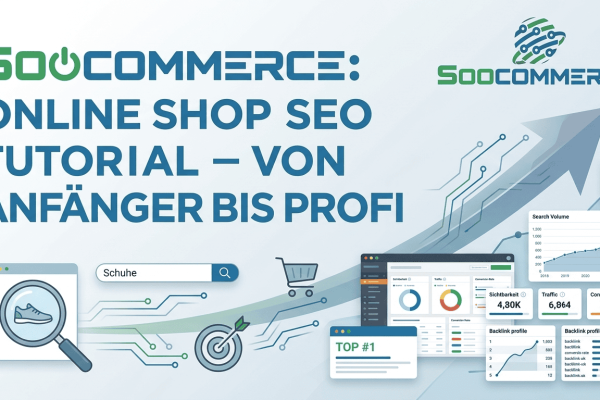
Suchmaschinenoptimierung ist für Onlineshops entscheidend, um Produkte sichtbar zu machen, Traffic z...
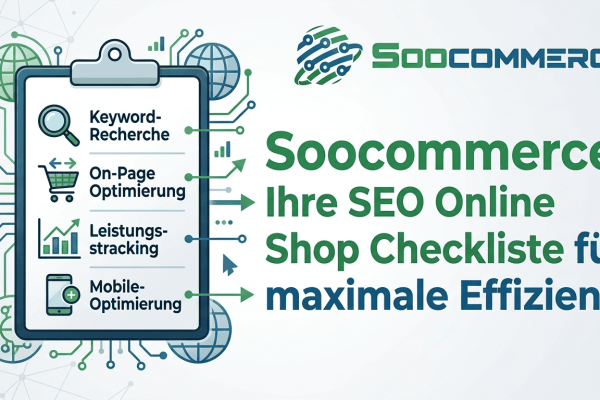
Eine effiziente SEO Online Shop Checkliste hilft Onlineshop-Betreibern, alle relevanten Optimierunge...